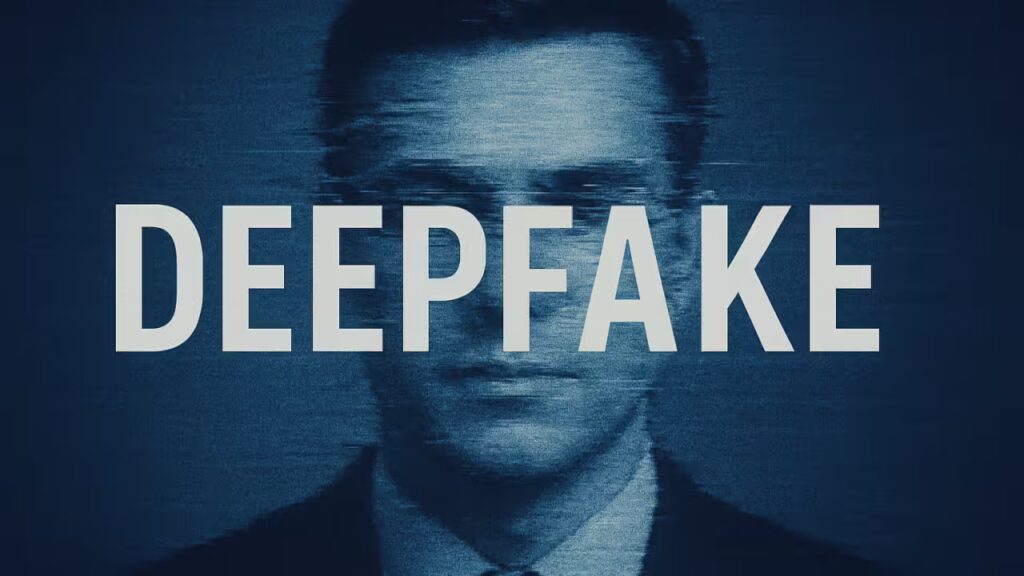
Remember when the biggest digital threat was clicking the wrong link?
Welcome to 2025 — where the link isn’t the problem… the person in the video might
not even be real.
Deepfakes have gone from “funny filter gone wrong” to “wait… did the CEO really say
that?”
And honestly, the technology is getting too good. If AI had a talent show, deepfakes
would win Best Impersonator every year.
But beneath the humour lies a serious shift:
Deepfakes are rewriting the rules of trust, identity, and verification — all at once.
Because now:
● A scammer doesn’t need your password.
They just need a 7-second voice memo you forgot you posted on Instagram.
● A fraudster doesn’t need access to your boss’s email.
They can generate your boss explaining why you should urgently wire money.
● And political misinformation?
Let’s just say election seasons now come with a “viewer discretion advised” label.
Yet here’s where I stay optimistic.
Deepfakes also remind us that security isn’t just about protecting systems — it’s
about protecting people.
We’re being pushed to think smarter, question deeper, and verify twice before we
trust once.
“Did this person actually say that?”
“Does the context make sense?”
“Is this video trying too hard?”
Sometimes the best cybersecurity tool is a healthy dose of skepticism.
The future will demand both strong tech controls and something even stronger —
digital awareness.
Because in a world where AI can copy your face, your voice, even your
expressions…the only thing it can’t imitate is your judgment.
So, here’s the fun paradox:
Deepfakes are making us wiser about what’s real, by forcing us to question what we
see.
And maybe, just maybe, that’s the kind of human upgrade we needed.