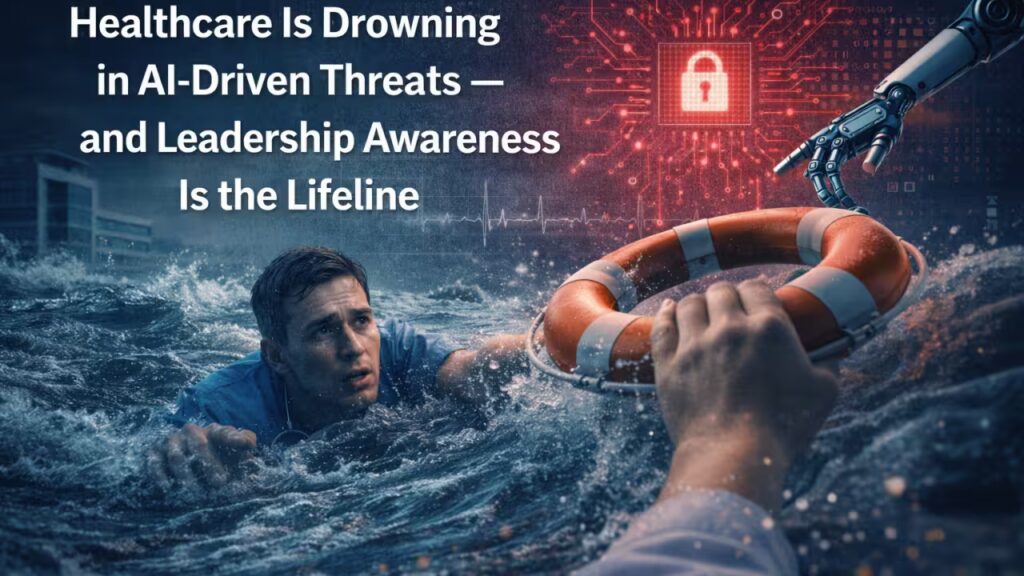
The healthcare sector didn’t wake up this year suddenly vulnerable to cyber threats.
What has changed is the speed, scale, and intelligence of those threats.
AI isn’t just accelerating innovation in medicine — it’s also accelerating how
attackers probe, adapt, and strike. And healthcare remains one of the most attractive
targets.
Why?
Because healthcare data is valuable, systems are complex, and downtime can cost
lives.
According to industry reports, healthcare remains among the top three most
targeted sectors globally, with ransomware attacks increasing year over year. The
average cost of a healthcare data breach now runs into the millions, not counting
reputational damage, regulatory scrutiny, or patient trust erosion. And with AI-driven
tools, attackers can now automate reconnaissance, personalize phishing, and exploit
weaknesses faster than traditional defenses can respond.
But this isn’t a “new year, new fear” conversation.
It’s a continuity conversation.
What makes AI-driven threats different?
AI enables attackers to:
● Mimic trusted staff voices or emails with frightening accuracy
● Identify weak points in clinical and operational systems at scale
● Adapt attack paths in real time when defenses change
● Target third-party vendors that healthcare organizations depend on
This means security incidents are no longer isolated IT events — they’re operational,
clinical, and leadership events.
Why this is a leadership issue (not just a security one)
When systems go down, it’s not just servers that stop working:
● Appointments are delayed
● Clinical decisions slow
● Patient safety is impacted
● Staff morale suffers
● Public trust erodes
Cyber resilience in healthcare is now tightly coupled with care delivery resilience.
And leadership plays a critical role — not by becoming technical experts, but by
asking the right questions:
● Do we understand our most critical digital dependencies?
● Are we prepared for disruption, not just prevention?
● Do our teams feel empowered to report and respond quickly?
● Is cyber risk discussed at the same level as patient safety and compliance?
A thoughtful way forward
This isn’t about panic.
It’s about persistent awareness.
Healthcare leaders who treat cybersecurity as a living, evolving responsibility —
rather than a once-a-year checklist — are better positioned to protect patients, staff,
and trust.
As the year unfolds, the goal isn’t to fear AI.
It’s to lead with awareness, readiness, and resilience.
Because in healthcare, security isn’t just about data.
It’s about people.